
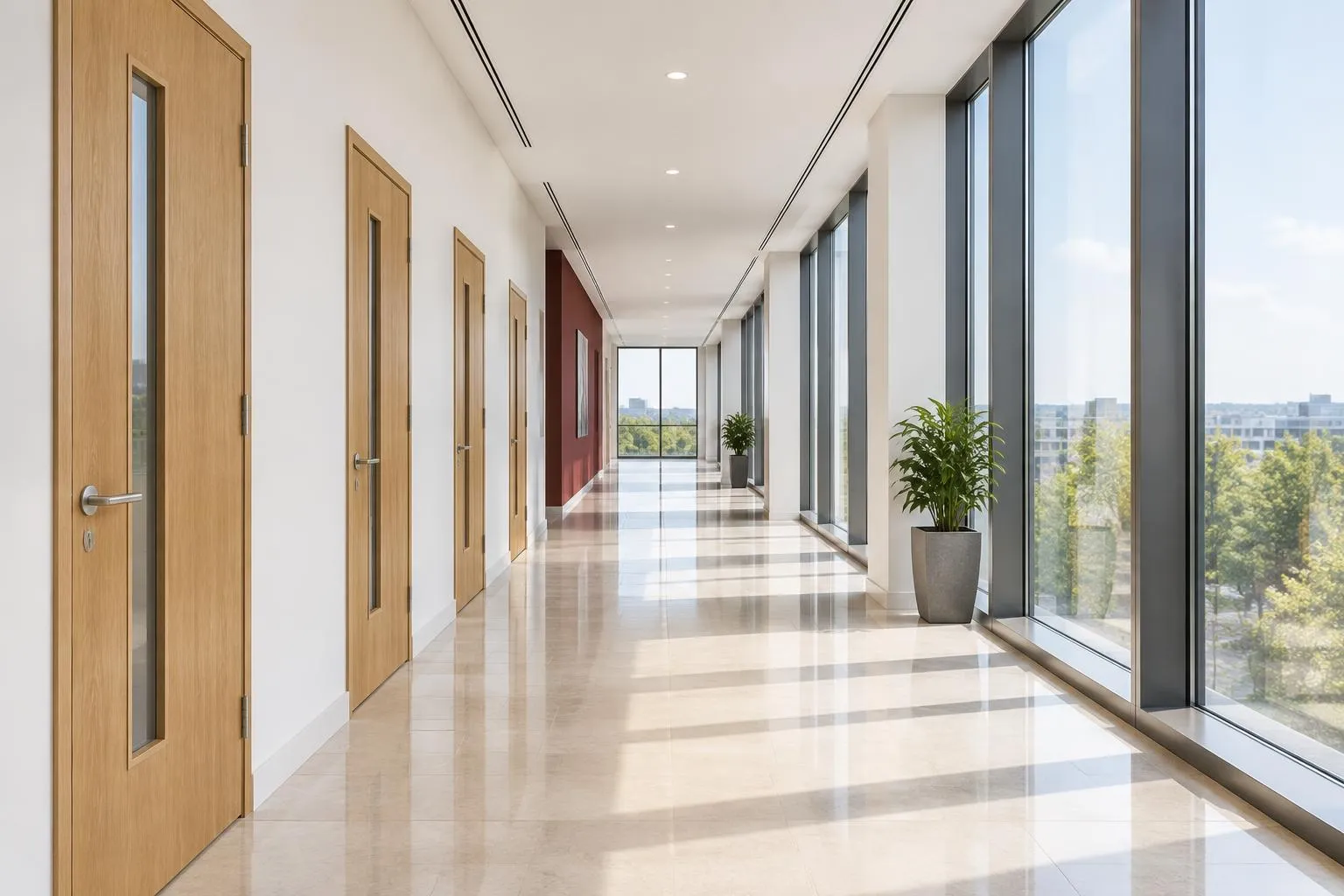
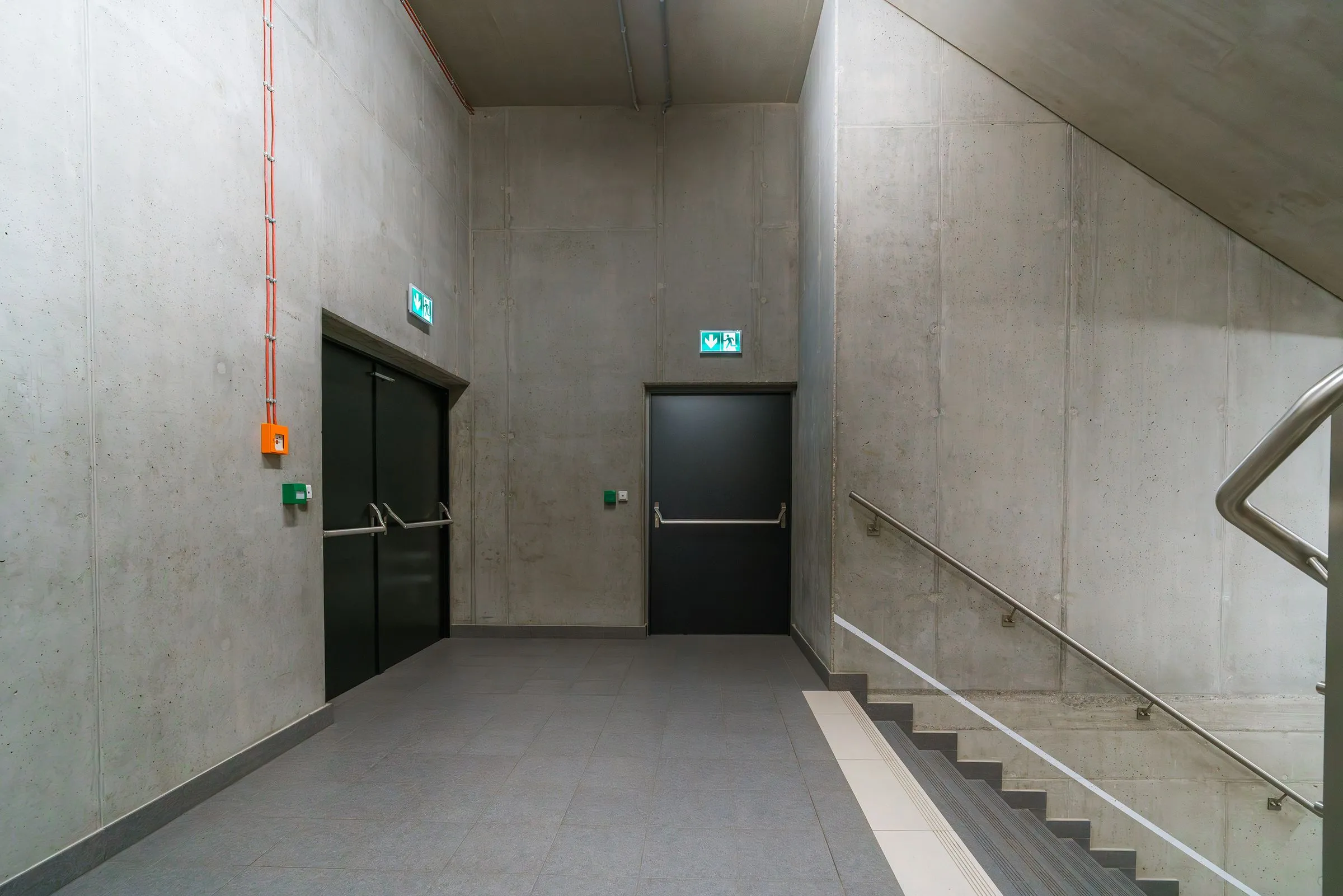
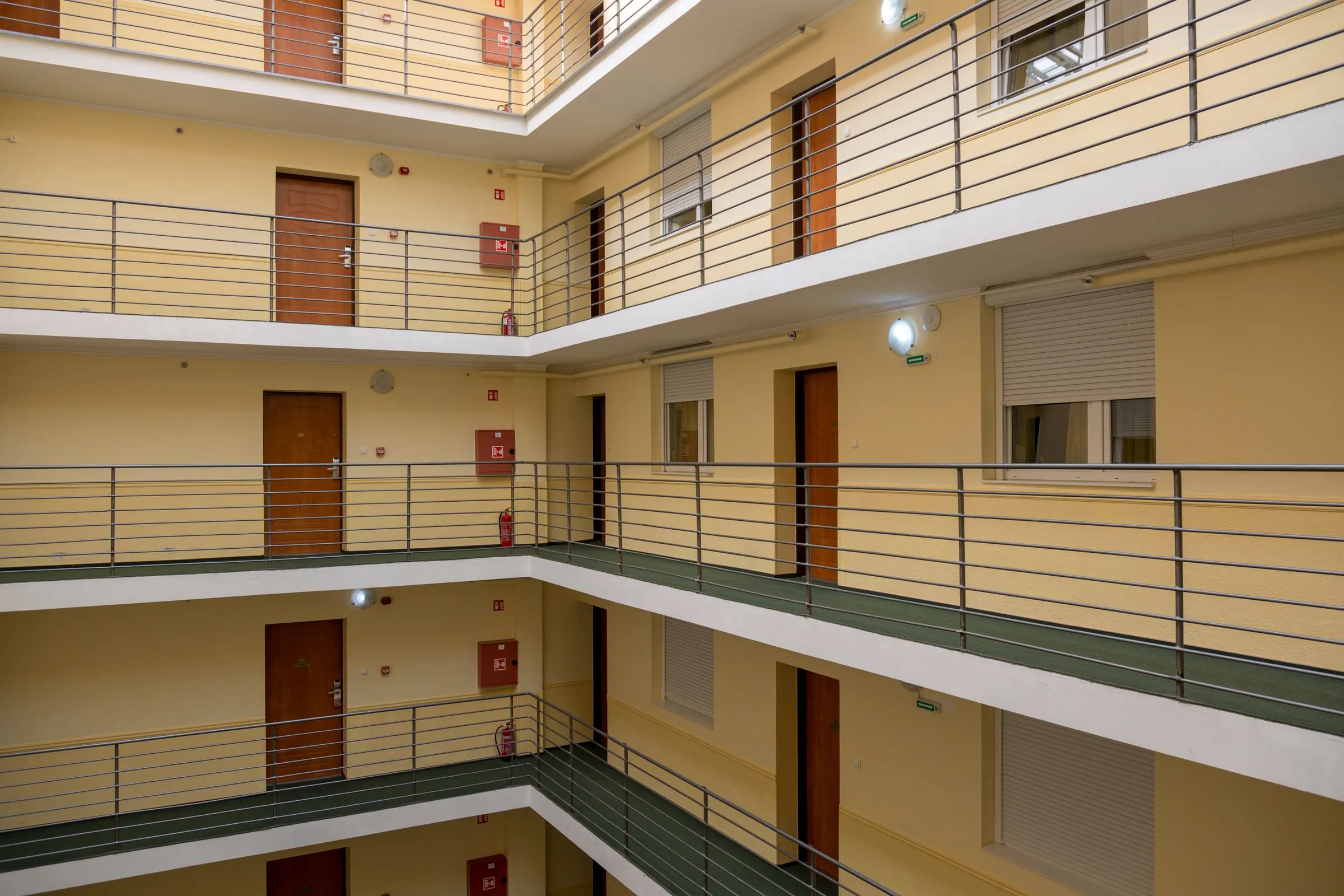
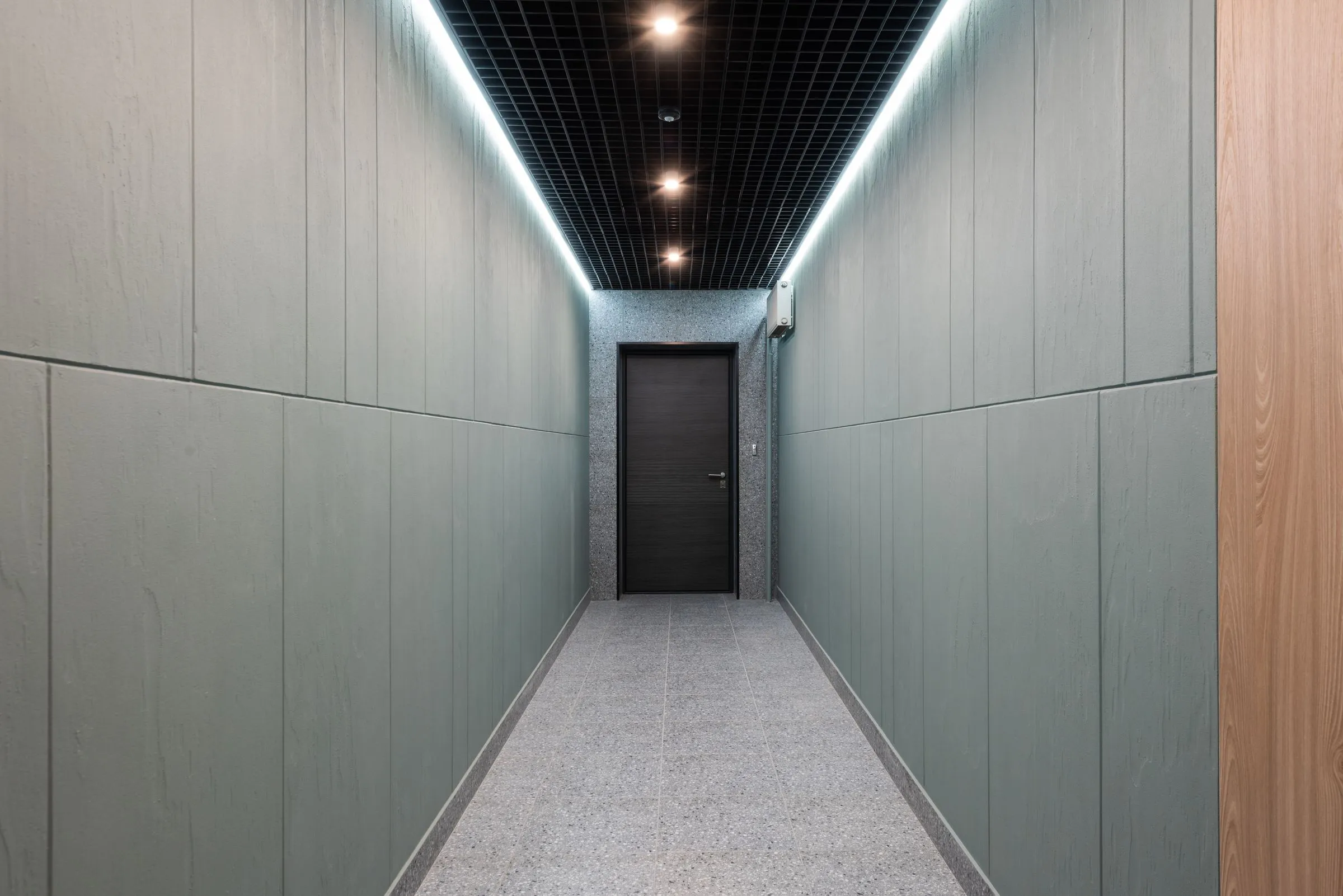
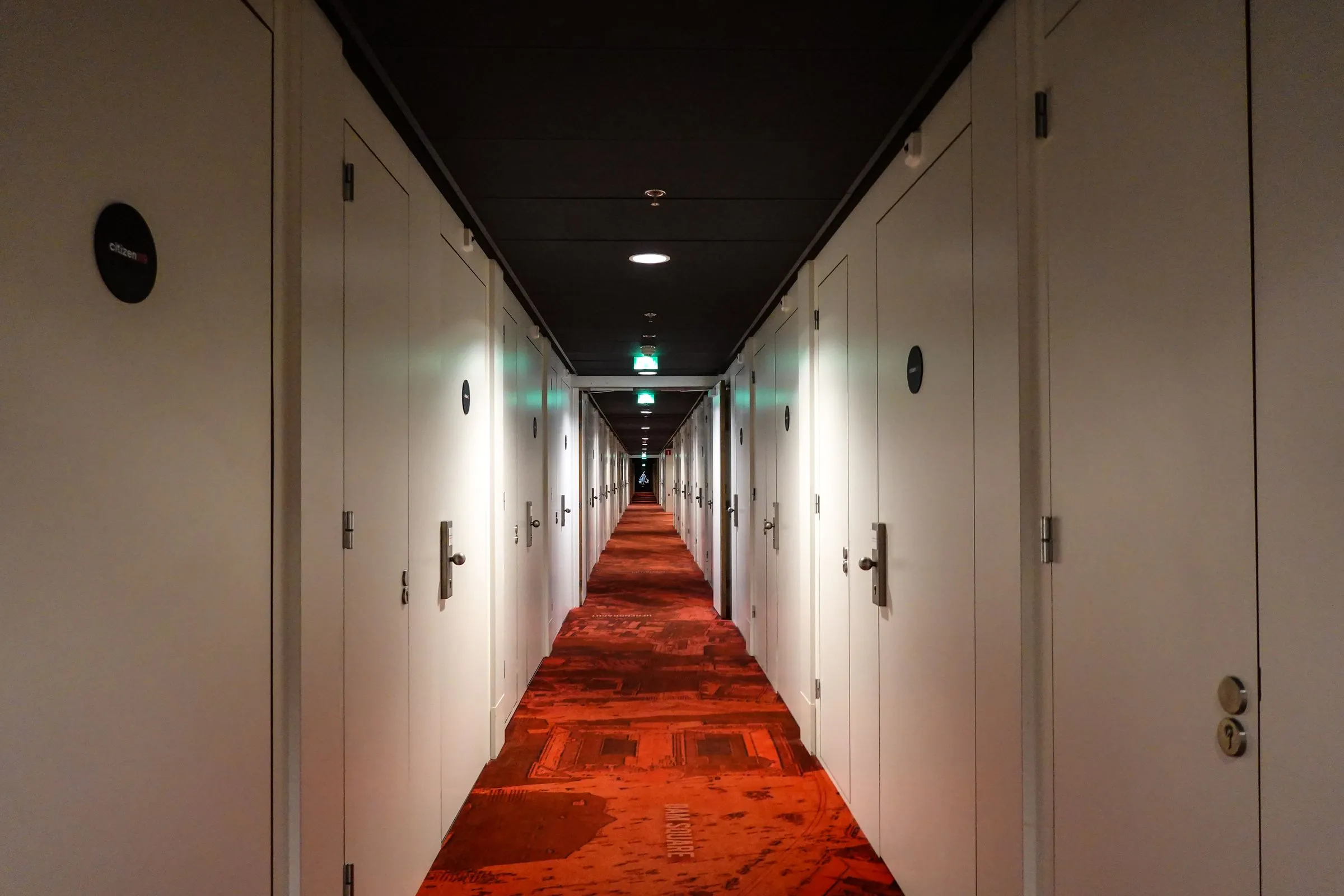
Every door, up to standard.Fire door inspection, maintenance and installation in London and the South East
For managing agents and building owners. Every door QR-tagged, every visit on record.
Our services
Inspection
Detailed surveys to BS 8214:2026 with photo reports, and every door QR-tagged so its condition and history can be checked in seconds.
More →02Installation
Certified fire doorsets and assemblies fitted to manufacturer instructions and BS 8214:2026, with an installation certificate for every door.
More →03Maintenance
Planned maintenance and repairs: gaps, seals, closers, hinges and signage put right, with every repair added to the door's record.
More →04Fire stopping
Surveys and remedial work sealing penetrations and gaps, each seal photographed and labelled, to keep compartments intact.
More →Two free tools. No sales call needed.
Both give you a plain-English action plan you can forward to a freeholder, board or insurer. Neither asks you to commit to anything.
Compliance Check
Answer twelve questions about your building and get a traffic-light result, the duties that apply to you and an action plan.
Check your compliance →Two minutesReg 10 Planner
Get a 12-month schedule of fire door checks for your block, with a logbook, resident letters and reminders before each one is due.
Plan your Reg 10 checks →Inspect, fix, maintain, repeat.
- 1
Inspect
We survey every door against its test evidence and BS 8214:2026.
- 2
Tag and report
Each door gets a QR tag, a photo record and a clear pass or fail.
- 3
Fix or replace
We repair what can be repaired and install new doors where they're needed.
- 4
Maintain
Planned maintenance and re-inspections at the frequency your building needs, all on one record.
A record for every door, not a PDF in a drawer.
Every door we inspect is QR-tagged. Scan the tag and you see the door's rating, photos, what passed, what failed and every visit since. It's the evidence a fire service, insurer or leaseholder will ask for.
See a sample reportDoor 3F-02 · Third floor lobby
FD30S · Doorset · Self-closing
- Leaf and framePass
- Gaps (top and sides)Fail
- Intumescent and smoke sealsFail
- Hinges (3, fire-rated)Pass
- Self-closerPass
- SignagePass
Built around the people responsible.
Managing agents
Regulation 10 checks across a portfolio, flat access booked for you, and records you can defend to leaseholders.
For managing agents →Businesses
Schools, healthcare, hotels, shops, offices, warehouses and gyms with duties under the Fire Safety Order and insurers asking for evidence.
For businesses →Partners
Brokers, assessors and service firms who want to give their clients a free fire door check under their own name.
Partner with us →Sectors we work in
- Residential blocksBlocks of flats, mixed-use buildings, retirement developments
- HMOs and landlordsHouses in multiple occupation, converted houses, landlord portfolios
- Student accommodationHalls of residence, purpose-built student blocks
- EducationNurseries, schools, colleges, universities
- Healthcare and care homesHospitals, GP surgeries, clinics, care homes
- HospitalityHotels, restaurants, cafés, pubs, clubs
- RetailShops, supermarkets, shopping centres
- OfficesOffices, business centres, co-working spaces
- Industrial and warehousesWarehouses, manufacturing, distribution, plant rooms
- Leisure and fitnessGyms, health clubs, leisure centres, rehabilitation centres
- Public and community buildingsCouncil buildings, libraries, community centres, places of worship
Based in London and the South East. Covering the country.
Most of our work starts close to home, but a fire door survey is the same job wherever the door is, so we take it on anywhere in the UK.
London and the South East
Our home base. Regular inspection and maintenance rounds across the capital and the counties around it.
Fire doors in London →Nationwide
Inspections, installation, maintenance and fire stopping anywhere in the UK, on the same standards and with the same records.
Questions we get asked
Do you install and maintain fire doors, or only inspect them?
All three. We inspect fire doors, maintain and repair them, and supply and install new or replacement doorsets. We also carry out fire stopping.
That means one firm can find the problems, fix them and keep the doors up to standard afterwards, with every visit added to the same QR record for each door.
Last reviewed October 2026
How often should fire doors be inspected?
In England, residential buildings over 11 metres must have communal fire doors checked every three months and flat entrance doors checked at least once a year on a “best endeavours” basis, under Regulation 10 of the Fire Safety (England) Regulations 2022 (in force since 23 January 2023).
For other buildings, the frequency should be set by your fire risk assessment. Many buildings use a professional inspection every six months with routine visual checks in between. Busy or high-traffic doors may need checking more often.
Last reviewed October 2026
How often do fire doors need maintenance?
The Fire Safety Order requires fire doors to be kept maintained and in good repair, but it doesn’t set a fixed timetable. The right frequency depends on how busy the doors are, and your fire risk assessment should guide it.
In practice, the parts that wear fastest are closers, seals and hinges, especially on busy corridor and stair doors. Fixing them as soon as a check finds a problem is usually cheaper than waiting for a door to fail its next inspection.
Last reviewed October 2026
Who is responsible for fire doors in a block of flats?
The Responsible Person under the Regulatory Reform (Fire Safety) Order 2005, usually the freeholder, a residents’ management company or right-to-manage company, often acting through a managing agent. They must keep fire doors maintained and in good repair.
The Fire Safety Act 2021 confirmed that this duty covers flat entrance doors opening onto common parts, as well as communal doors. Who owns and pays for an individual flat door depends on the lease.
Last reviewed October 2026
What is fire stopping?
Fire stopping seals the gaps and holes in fire-resisting walls and floors, for example where pipes and cables pass through. It keeps each compartment of a building intact so fire and smoke can’t spread through hidden routes.
It matters for fire doors because an unsealed hole next to a perfectly good door undoes the door’s work. Riser cupboards are a common problem area.
Last reviewed October 2026
What areas do you cover?
We’re based in London and cover London and the South East on regular rounds. We also take on inspections, installation, maintenance and fire stopping anywhere in the UK, on the same standards and with the same records.
Last reviewed October 2026
Book a survey or check where you stand.
Call or email and we'll talk through your doors, arrange a survey and send you a quote. Or take the free Compliance Check first.
Check your compliance